
July 12th 2026
What Indigo Taught Me
When LESNORM existed only as an idea, I travelled to Vietnam looking for inspiration. I wasn't searching for suppliers or planning a collection yet. I just wanted to understand clothing beyond what we see on a store shelf.
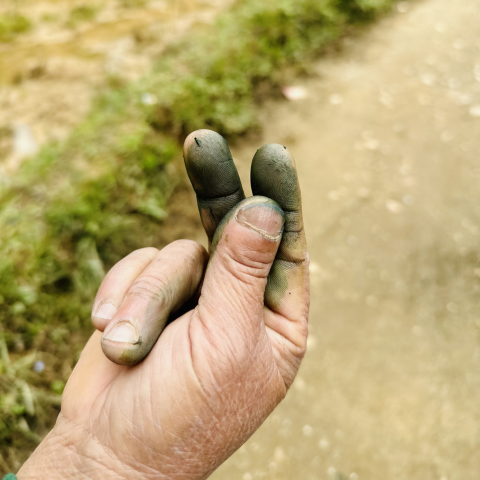
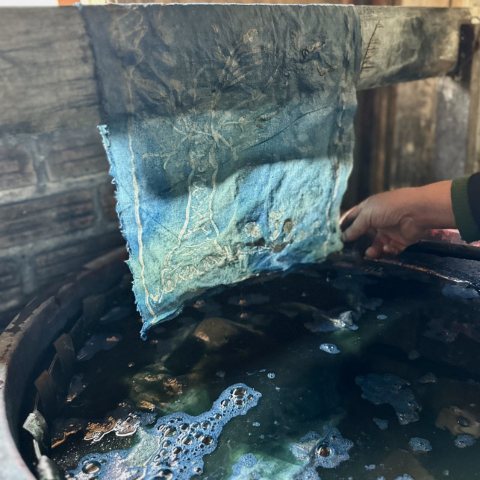
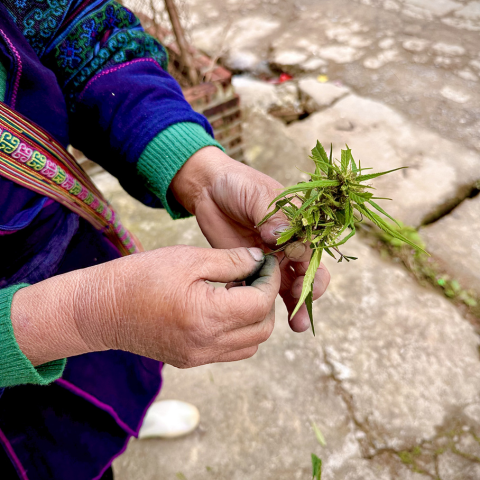
Some of the moments that stayed with me weren't inside boutiques or markets. They were quieter than that. A woman applying wax to fabric by hand, line by line, for a piece of batik that would take her days. A vat of indigo dye, and cloth pulled out of it looking almost green. It only turns blue once it meets the air, right in front of you, in seconds. Fresh indigo leaves, harvested before they had ever touched a single thread.
Watching this, I understood something I hadn't fully felt before. A garment begins long before the first stitch. It begins with the people, the materials, the choices, and the time that goes into making them.
I came home certain that our first collection would use natural dyes and handcrafted technique. Indigo has been part of Indian textiles for thousands of years. The colour has a depth and variation that synthetic dyes simply can't replicate. There is something honest about cloth that carries the memory of a plant, and it felt like the only honest way to start. Reality had other plans.
As I began building the supply chain for our first collection, I ran into two undeniable challenges.
The first was the reality of doing it responsibly. It's easy to assume that using a natural dye automatically makes a garment sustainable, but the process is far more complex. Dyeing uses large amounts of water, and if that water isn't properly treated before being released, it can pollute rivers and surrounding ecosystems. Finding manufacturers who combine responsible wastewater treatment with high-quality natural dyeing at a price a small independent brand can afford remains a challenge we're continuing to explore.
The second was longevity. Natural dyes are beautiful, but they naturally soften and fade over time. For many people, that's part of their charm. For us, we wanted a garment whose colour would remain just as enduring as its construction.
So we asked ourselves a different question:
What is the most responsible choice we can confidently stand behind today?
For our first collection, that meant working with a GOTS-certified mills that follows recognised environmental standards, including responsible wastewater management. We paired that with OEKO-TEX certified, azo-free dyes that are tested for harmful substances while delivering excellent colorfastness, allowing each garment to retain its character through years of wear and washing.
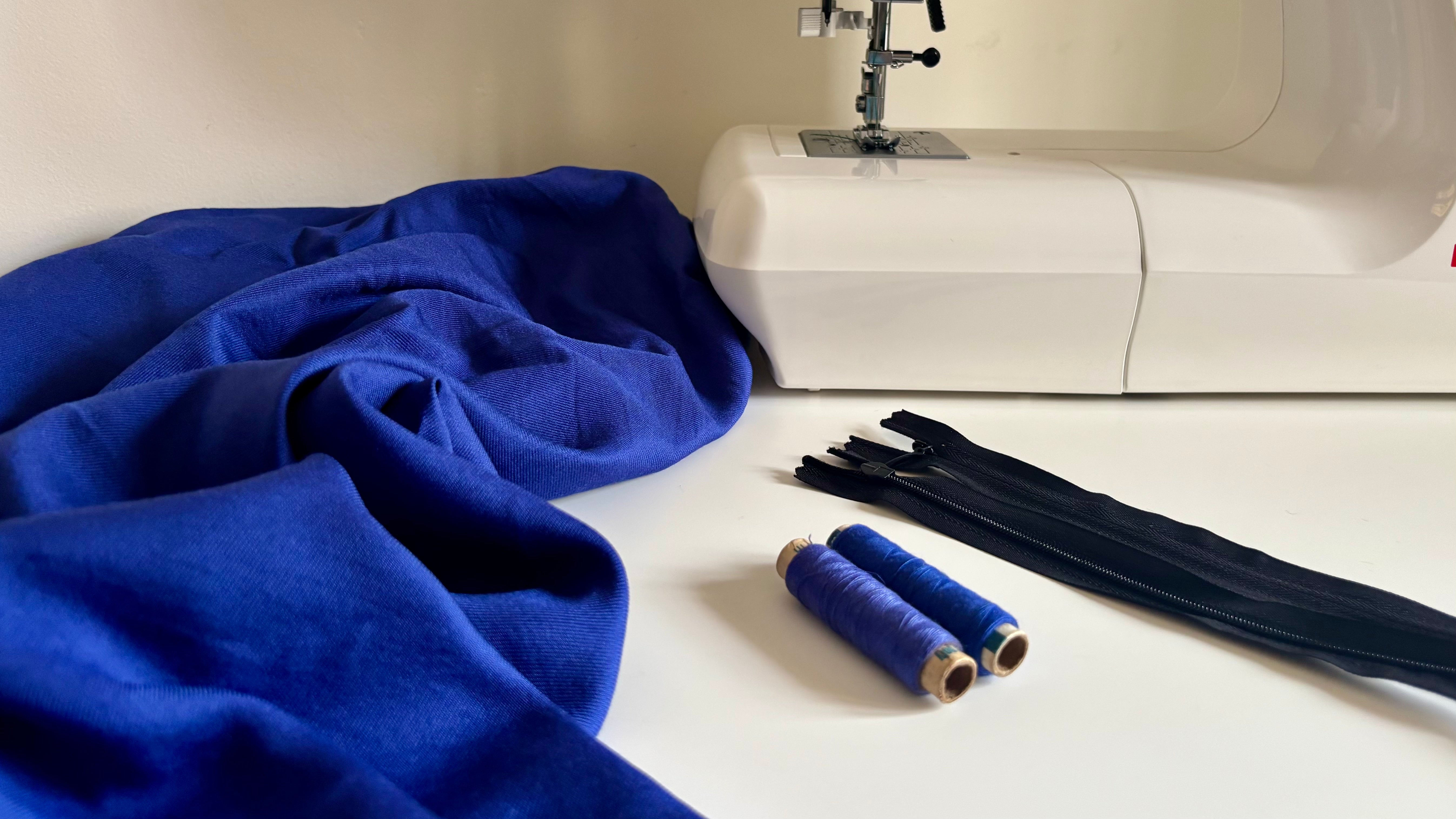
That decision shaped more than our dyeing process. It shaped the way we think about collections. Every LESNORM collection will be built around a single colour. Not because we couldn't offer more, but because we've chosen not to.
Working within one colour simplifies production. It means fewer dye baths, less water used, and less waste generated. It also allows us to produce genuinely small batches instead of increasing quantities simply to satisfy manufacturing minimums.
But there is another reason. A single colour shifts the focus away from endless choice and back to design. You're no longer choosing between five colours of the same dress. You're choosing between silhouettes, fabrics, proportions, and the way each piece fits into your life.
That felt like the kind of constraint worth embracing.
Batch 001. All indigo. Nothing rushed.
Sustainability isn't about perfection. It is about honesty.
Read more
Can a Clothing Brand Ever Be 100% Sustainable?
After spending the last year researching fabrics, manufacturers, and garment construction, I've realized that 100% sustainability is a myth. Here is why true sustainability is about making better c...
Read more